Introduction
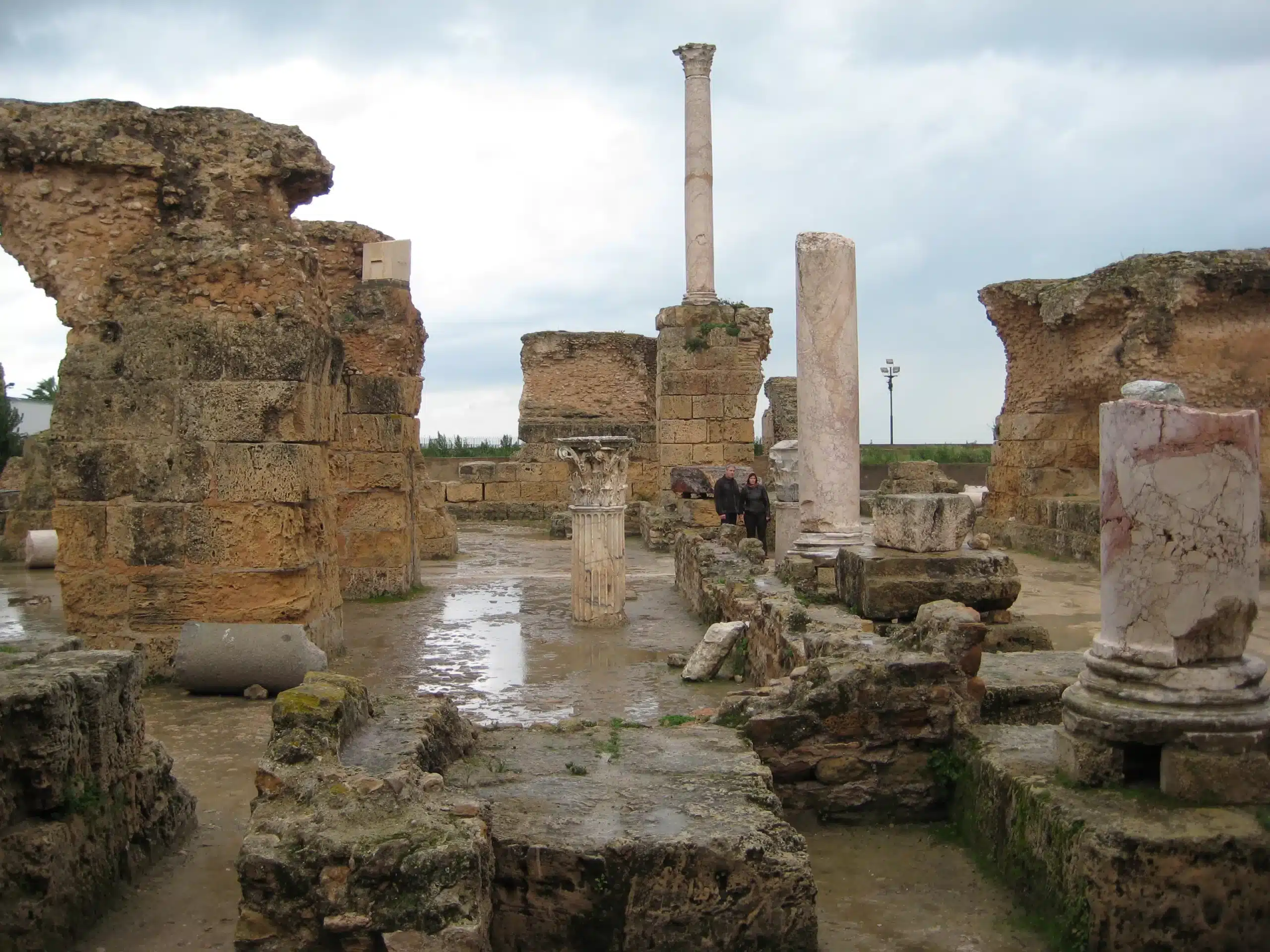
Tunisia, with its rich history, stunning coastlines, and diverse landscapes, offers a wealth of unique locations for international film and TV productions. From the ancient ruins of Carthage and the breathtaking Sahara Desert to the Mediterranean beaches and vibrant Tunisian markets, Tunisia provides the perfect backdrop for commercials, feature films, TV series, documentaries, reality shows, and still photography.
At Hoodlum, we offer expert film fixer services in this region, providing comprehensive production support for international crews. Our team handles every aspect of your shoot, from securing film permits and visa assistance to location scouting, crew sourcing, equipment rental, customs clearance, transportation, accommodation, and post-production services.
Why Film in Tunisia?
- Diverse Locations: This region offers a mix of desert landscapes, ancient ruins, Mediterranean coastlines, and bustling markets makes it an ideal filming destination.
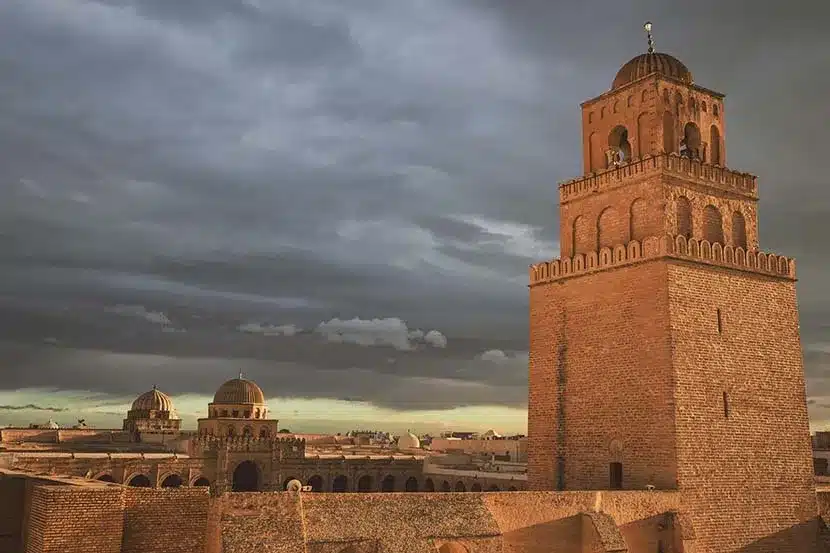
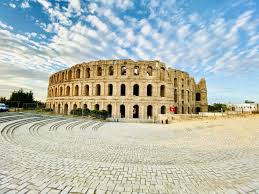
- Rich History and Culture: Offers a wealth of historical landmarks, including Roman ruins, medieval medinas, and Islamic architecture, adding depth to any production.
- Cost-Effective Filming: Tunisia is an affordable filming destination, offering competitive costs for locations, crew, and production services.
Planning a shoot in Tunisia? Hoodlum ensures a smooth and efficient production process, managing all logistics so you can focus on your creative vision. Contact us today for expert production support in Tunisia.
Country Overview
This is a country located in North Africa, offers a unique blend of cultures, landscapes, and climates. The main cities include Tunis, Sidi Bouzid, Sfax, and Sousse. Tunisian Arabic and French are the local languages, and the local currency is the Dinar.
Bordering Countries:
Bordered by the following countries:
- Algeria (west and southwest)
- Libya (southeast)
- Tunisia also has a coastline along the: Mediterranean Sea (north and east)
Main Cities:
- Tunis (capital city)
- Sfax
- Sousse
- Sidi Bouzid
Local Languages:
- Tunisian Arabic (Derja/Darija)
- Modern Standard Arabic (official language)
- Berber (Amazigh/Tamazight, spoken by the Berber minority)
- French (widely spoken in business, education, and tourism)
Local Currency:
Tunisian Dinar (TND)
Climate:
This region has two distinct seasons: a rainy season from October to May and a dry season.
Visa Requirements
No visa is required for most countries. However, a passport, photos, hotel booking, and other documents may be required. The processing time is up to 15 days, and the cost is up to $40. Vaccinations for yellow fever and COVID-19 are also required.
General Film Permit
The Presidency of Government issues film permits, which take a maximum of 6 days to process. Required documents include a synopsis, formal letter of request, location details, crew names and passports, and equipment list. The cost ranges from $700 to $1500.
Drone Permit
Drone permits are required and take a minimum of 8 weeks to process. The Ministry of Agriculture, Defence, Housing, and Interior issues the permits. Required documents include location and shoot schedules, equipment lists, and other specific documents. The cost is $1500 with permit.
Equipment Customs Clearance
This is a Carnet country. The client brings the Carnet, and Hoodlum Film Fixers makes arrangements. Required documents include a synopsis, location details, crew names and fixer, and equipment list. The Presidency of Government issues the clearance, which takes 10-20 days. The cost is $500 plus $15 for cameras and microphones.
Airport Protocol
Customs rules include no foreign currency exceeding 5000 TND allowed, local currency import requires permission, and foreign currency declaration requires contacting the nearest embassy.
Safety and Security
This is a safe country, but military or police assistance may be required for drone filming.
Tunisia is generally considered a safe destination for travelers, including those involved in film and television production. However, as with any international location, it’s important to stay informed and take common safety precautions.
Political Stability:
While Tunisia has made significant strides in political reform since the Arab Spring, like any country, it may experience political unrest from time to time. Visitors should stay informed about local news and avoid large gatherings or protests.
Travel Advisories:
It’s advisable to monitor travel advisories issued by your government. Some regions, particularly near the border with Libya, may have heightened security risks, and it’s best to consult these updates for any specific warnings.
Local Safety:
In general, major cities like Tunis, Sousse, and Hammamet are relatively safe for tourists, with plenty of law enforcement presence. Petty crime, like pickpocketing, can happen in crowded areas, so it’s always good to stay aware of your surroundings.
Cultural Sensitivity:
Tunisia is a Muslim-majority country, so it’s important to be respectful of local customs and traditions. Dressing modestly, especially in rural or conservative areas, will help avoid unwanted attention.
Health and Safety:
While Tunisia has modern healthcare facilities in cities, it’s wise to carry travel insurance. Also, be cautious with food and water, especially in more rural regions, to avoid digestive issues.