Introduction:
Hoodlum provides world-class film fixer services in The Bahamas, offering full production support for international film and television crews. With in-depth local knowledge and hands-on expertise, we handle every aspect of your shoot—from securing permits and visa assistance to location scouting, crew sourcing, equipment rental, customs clearance, transportation, accommodation, and post-production services.
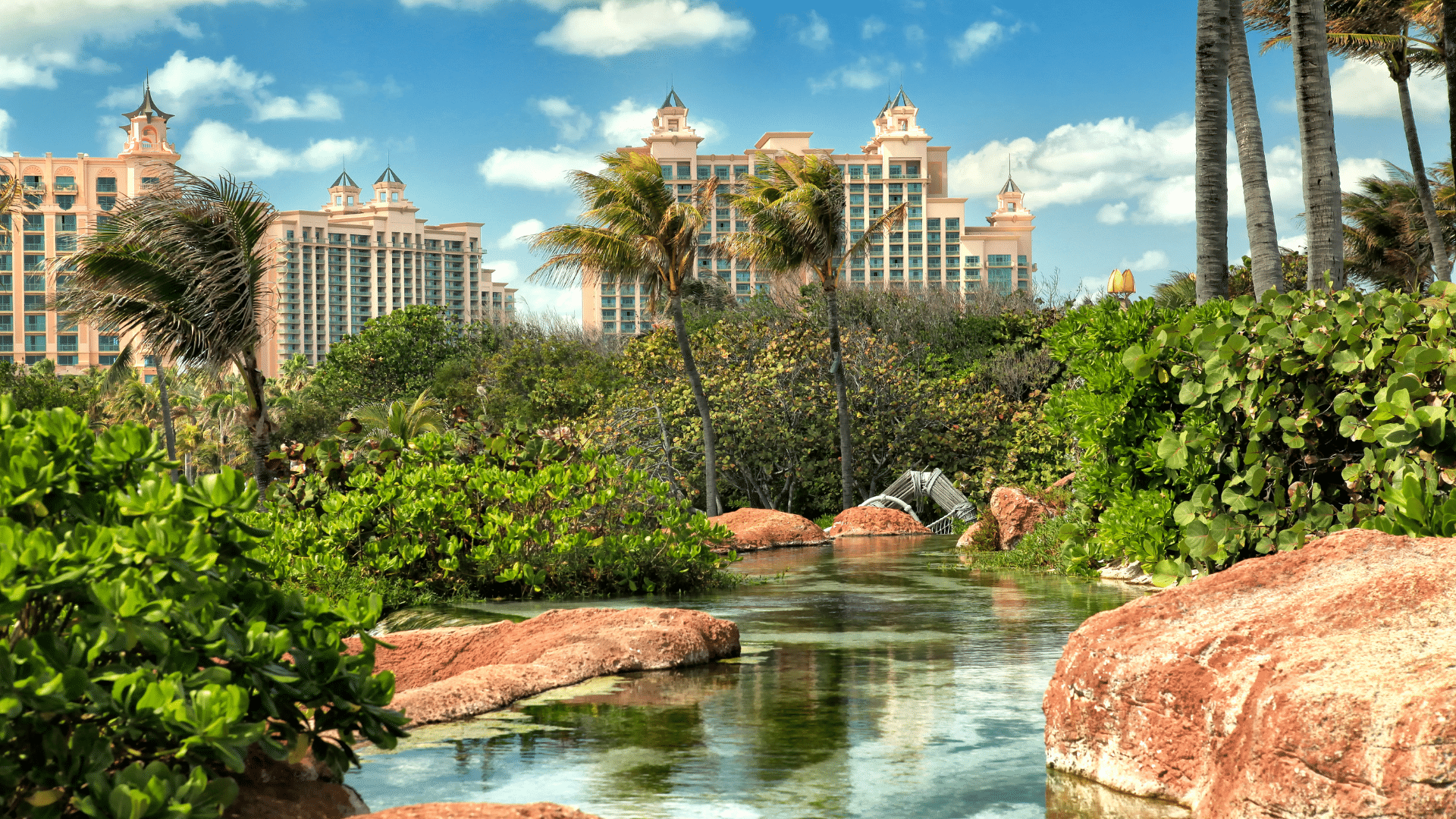
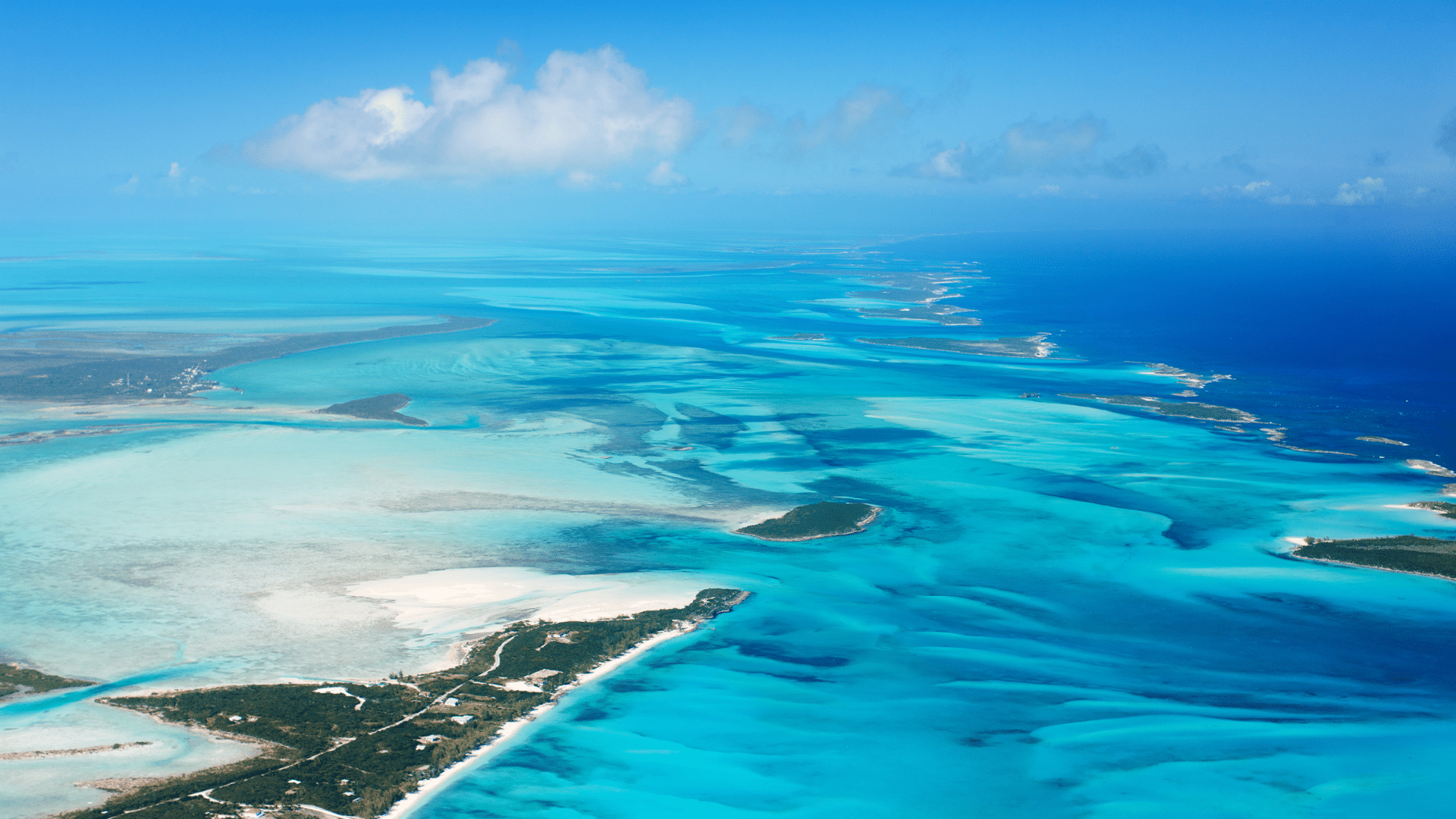
The Bahamas’ stunning island landscapes—turquoise waters, white-sand beaches, lush tropical forests, and vibrant cityscapes—serve as the perfect backdrop for commercials, feature films, TV series, documentaries, reality shows, and still photography projects.
Planning a shoot in The Bahamas? Hoodlum streamlines the entire production process, managing everything from permits and visas to equipment rentals, transportation, and accommodations. Let us handle the logistics while you focus on bringing your creative vision to life. Contact us today for seamless, professional production support in The Bahamas.
Country Overview:
This region is a captivating island nation in the Atlantic Ocean, offers a unique fusion of stunning natural beauty, rich culture, and film-friendly infrastructure. This makes it an ideal location for international film and television productions.
In this blog, we will delve into the essential information required for filming in the Bahamas, including:
- Visa requirements
- Accreditation process
- Film permits
- Other crucial details
Discover the Bahamas
Located southeast of Florida, this region boasts a distinct blend of culture, language, and breathtaking landscapes. Here’s a glimpse into this stunning destination:
- A tropical archipelago with a rich history and vibrant culture
- Stunning beaches, crystal-clear waters, and coral reefs
- A unique blend of English, African, and indigenous influences
Whether you’re a filmmaker, producer, or location scout, this region offers a unique and captivating backdrop for your next project.
Main Cities and Towns
- Nassau: The capital city, known for its vibrant culture and historic landmarks.
- Freeport: A major city on the island of Grand Bahama.
- West End: A charming town on the western tip of Grand Bahama.
- Marsh Harbour: A picturesque town on the Abaco Islands.
- Dunmore Town: A quaint town on Harbour Island.
Geography and Climate
- This region is an archipelago, completely surrounded by water, with no shared borders.
- The official language is English, but many Bahamians also speak Bahamian dialect, a unique blend of English, African, and indigenous influences.
- The local currency is the Bahamian dollar (BSD), pegged to the United States dollar (USD) at a 1:1 ratio.
Best Time to Film
- December to April: Dry and sunny weather, ideal for filming.
- May to November: Hurricane season, with unpredictable and potentially severe weather conditions, making it unsuitable for filming.
Visa Requirements
General Requirements:
Film crews traveling to this region typically require a valid passport and may also need to obtain a Bahamian Film Permit, a Customs Permit, and possibly a Work Permit, depending on individual circumstances.
Required Information/Documentation:
Film crew members applying for a visa to enter the Bahamas typically need to provide a valid passport, a completed visa application form, proof of onward travel, proof of sufficient funds, a letter of introduction from the production company, and a detailed itinerary of their stay.
Timings:
Typically takes 3-5 working days
Cost:
Approximately USD 500 to USD 5,000
Visa Application Link: https://mofa.gov.bs/bahamas-eev-electronic-entry-visa-manual-application-form/
International Crew Accreditation
General Accreditation Requirements:
Film crew members typically require accreditation from the Bahamas Ministry of Tourism and Aviation, which involves submitting a crew list, proof of identity, and proof of employment or affiliation with the production company.
Required Information/Documentation:
Film crew members applying for accreditation in this region typically need to provide a valid passport, proof of identity, proof of employment or affiliation with the production company, and a completed accreditation application form.
Timings:
Typically takes 2-5 working days to process
Cost:
The cost of film crew accreditation in this region is typically free of charge, but some fees may apply for expedited processing or additional services.
General Film Permit
What Organisation Issues the Permits:
The Bahamas Film Commission, which is a division of the Bahamas Ministry of Tourism and Aviation, is responsible for issuing film permits in the Bahamas.
Timings:
Film crew accreditation typically takes 24-48 hours to process.
Required Information/Documentation for Application:
Film crew members applying for accreditation in the Bahamas typically need to provide a valid passport, proof of identity, and a completed accreditation application form.
Cost:
The cost of film crew accreditation in the Bahamas is free.
Private Locations
General Process:
Hoodlum Film Fixers assists with securing private film locations by negotiating permits, arranging logistics, and liaising with local authorities and property owners on behalf of the film production team.
Cost:
The cost of private film locations in the Bahamas can only be determined after receiving the production schedule, as it depends on factors such as location specifics, shoot duration, and equipment requirements.
Drone Permit
Drone Regulations:
Drone operators require permission from the Bahamas Civil Aviation Authority and must comply with regulations, including flying below 400 feet, maintaining line of sight, and avoiding restricted areas.
Drone Importation Regulations:
Drone importation requires a permit from the Bahamas Customs Department and compliance with regulations, including declaration of the drone’s value, purpose, and technical specifications.
What Organisation Issues the Permits:
The Bahamas Civil Aviation Authority (BCAA) issues drone permits in the Bahamas.
Required Information/Documentation for Application of Local Drone:
To apply for a drone permit in the Bahamas, applicants must provide documentation including a completed application form, proof of drone registration, proof of liability insurance, and a copy of the drone operator’s certification or license.
Required Information/Documentation for Application of Drone Importation:
To apply for drone importation in the Bahamas, applicants must provide documentation including a commercial invoice, bill of lading, and a completed Customs Declaration Form (C88), along with technical specifications and proof of drone ownership.
Timings:
Drone permit applications in the Bahamas typically take 3-5 working days to process.
Cost:
A drone permit in the Bahamas costs $100 USD
Equipment Customs Clearance in the Bahamas
This region is not a Carnet country, which means that film crews entering the country will need to follow a different process for customs clearance.
General Process for Non-Carnet Countries
- A commercial invoice, bill of lading, and customs declaration form are required.
- A temporary import bond or cash deposit may be necessary to ensure the goods are re-exported.
Required Documents
- Commercial invoice
- Bill of lading
- Customs declaration form (C88)
- Detailed equipment list
Organisation Responsible for Issuing Clearance
The Bahamas Customs Department issues customs clearance in the Bahamas.
Timings
Customs clearance typically takes 2-4 hours but may vary depending on the complexity of the shipment and the accuracy of the documentation.
Cost
Approximately USD 50 to USD 200
Film Rebates and Tax Incentives in the Bahamas
This region offers a Film Incentive Program, which includes:
A rebate of up to 40% of qualified production expenditures for film, television, and digital media productions, including reality TV shows.
Safety and Security in the Bahamas
- A 40% rebate on qualified production expenditures
- No withholding tax
- A streamlined permitting process
Security Requirements
- Productions are typically required to hire Royal Bahamas Police Force (RBPF) officers for security.
- The cost and number of officers are determined by the specific needs of the production.