Introduction
Hoodlum Film Fixers Papua New Guinea provides expert on ground local support for international and local productions, ensuring your shoot runs smoothly from start to finish. With deep local knowledge and hands-on experience, our team handles everything—securing film permits and visas, scouting locations, coordinating crew, arranging equipment rentals, clearing customs, organizing transport and accommodation, and managing post-production needs.
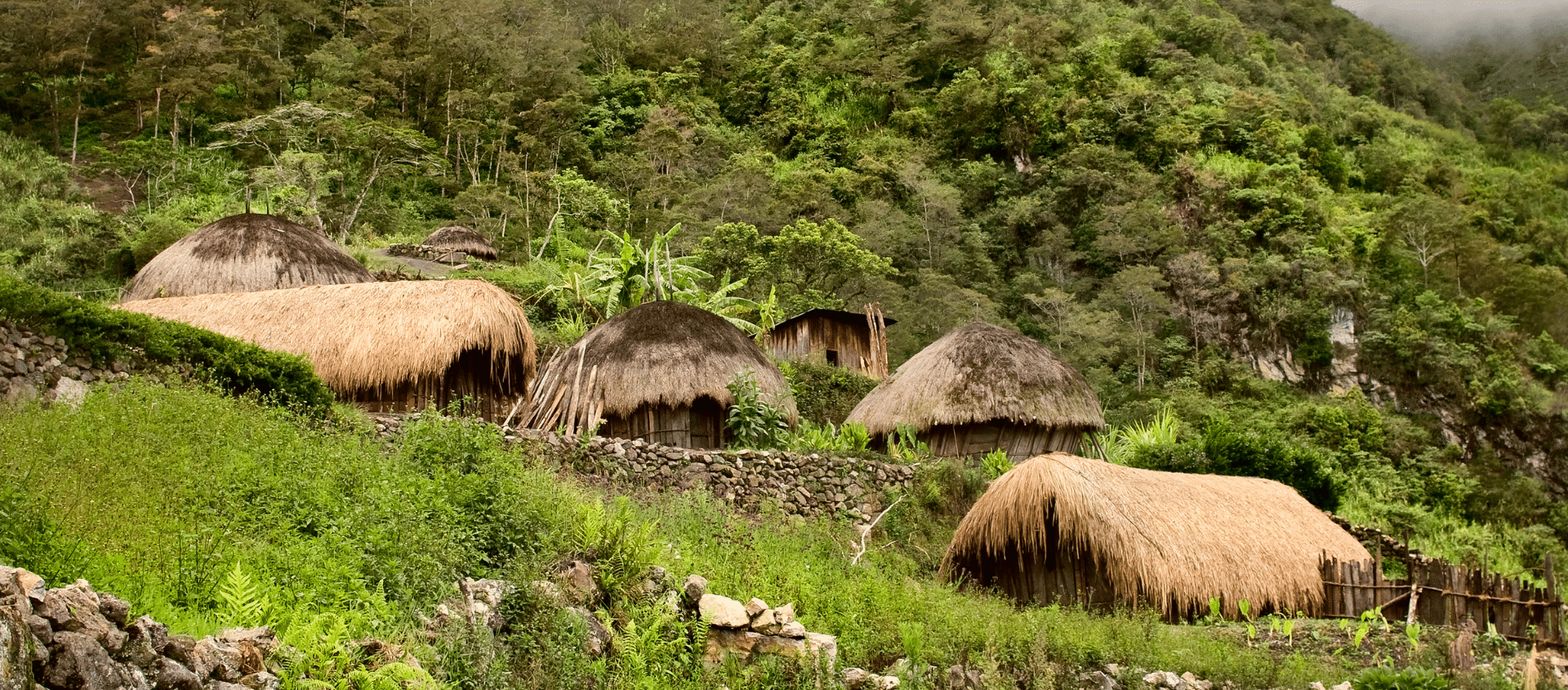
Papua New Guinea’s landscapes offer an unmatched variety of filming locations, from dense jungles and remote highland villages to volcanic terrains and coastal settlements. Whether you’re shooting a commercial, feature film, documentary, TV series, or still photography, we ensure seamless production logistics in even the most challenging environments.
Planning a shoot in Papua New Guinea? Let Hoodlum take care of the details—permits, visas, gear, flights, transport, and everything in between
Country Overview
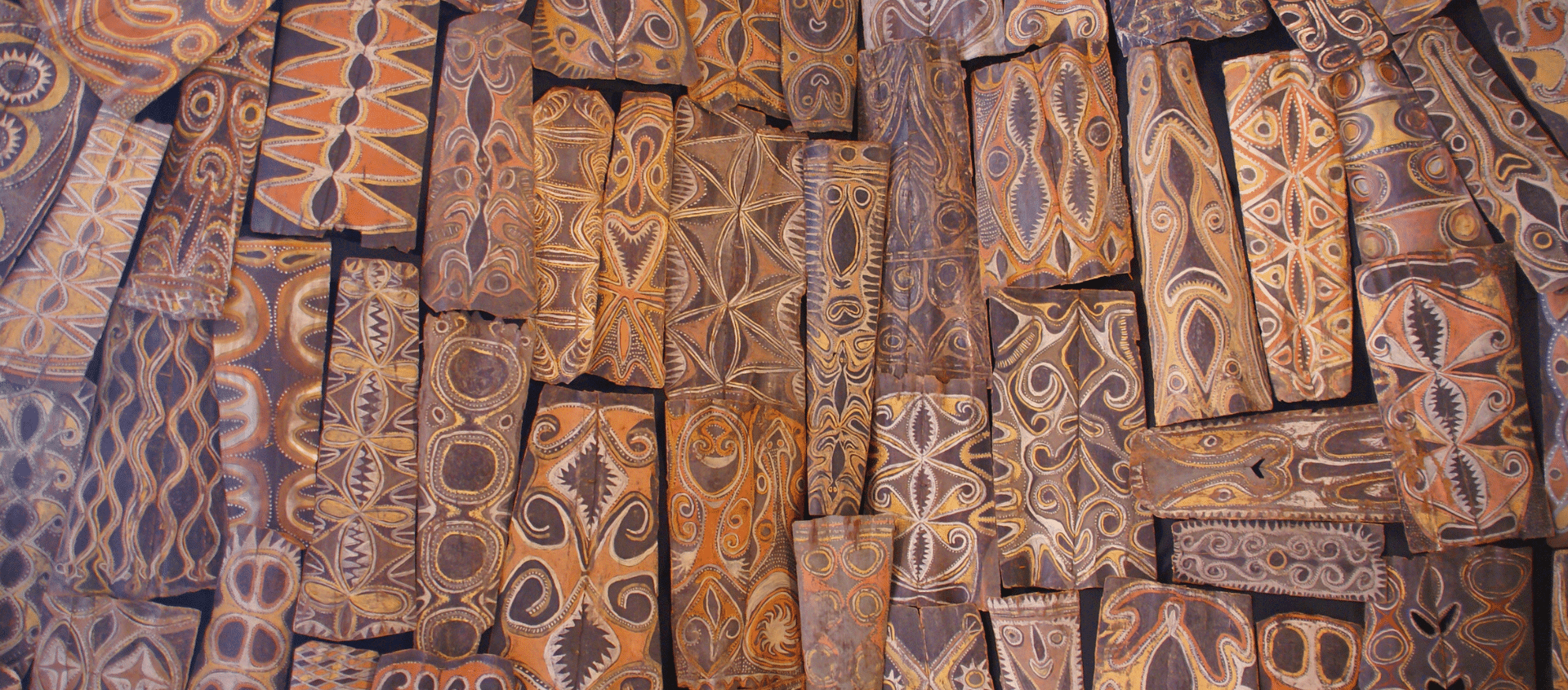
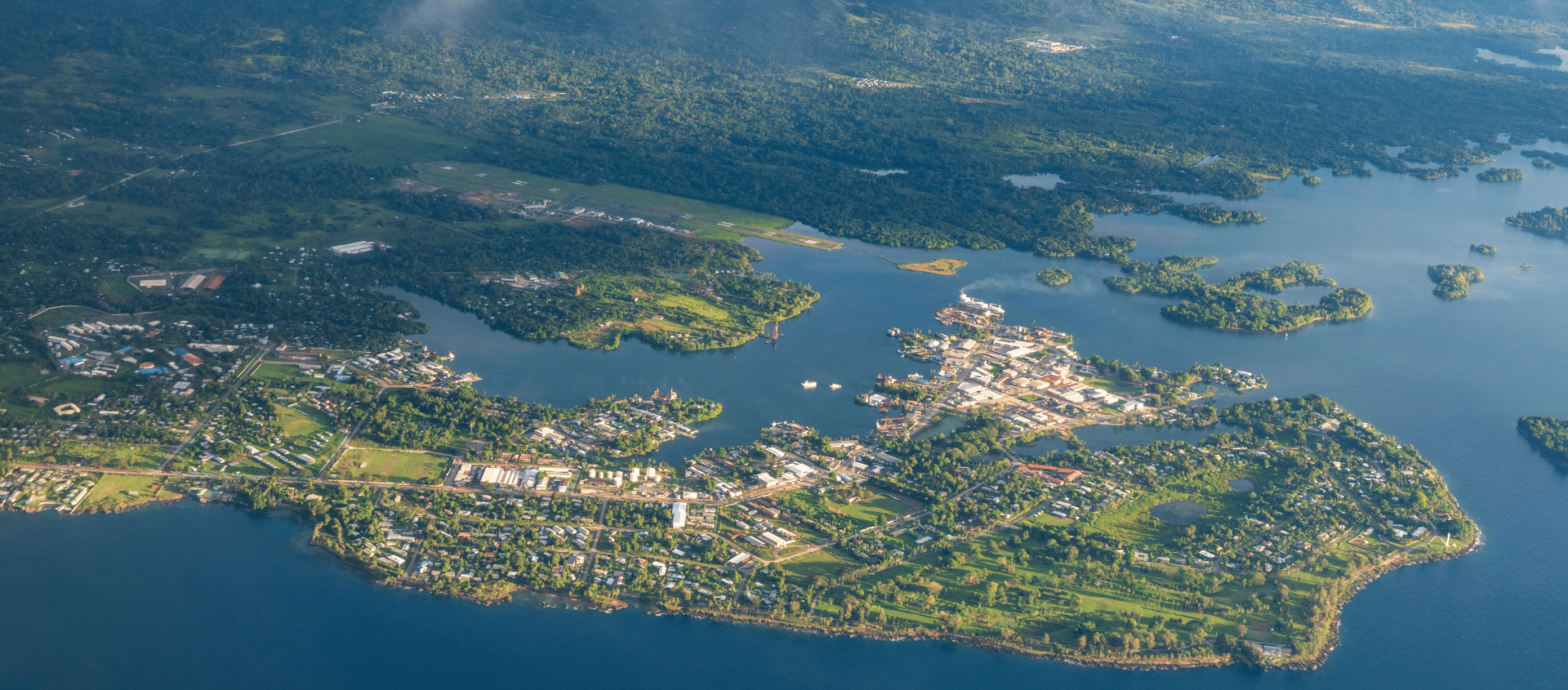
Papua New Guinea, located in the southwestern Pacific, is a country known for its diverse communities, deep traditions, and striking environments. With a mix of remote highlands, dense rainforests, active volcanoes, and coastal villages, PNG offers a wide range of filming locations that capture both the raw and the extraordinary.
Its traditional festivals, distinct architecture, and varied landscapes create a dynamic setting for international productions. From towering limestone cliffs and vast river systems to stilt villages and bustling markets, Papua New Guinea provides an authentic and visually compelling backdrop.
Main Cities:
- Port Moresby – The capital and your entry point.
- Lae – Industrial hub, as well as coastal.
- Madang – Scenic coastal town with epic reef shots.
- Mount Hagen – Highland city, tribal culture, and misty mountain backdrops.
- Goroka – Home of the famous Goroka Festival, tribal energy, and rolling hills.
With years of experience on the ground, Hoodlum Film Fixers Papua New Guinea has got your back for everything production-related. From securing permits and visas to location scouting, crew coordination, equipment rental, transport, and post-production, we handle it all—so you don’t have to.
Whether you’re deep in the PNG jungles, filming tribal ceremonies in the Highlands, capturing the raw energy of Port Moresby, or shooting along pristine coastlines and volcanic landscapes, we make sure your production runs smooth. No red tape, no headaches—just pure filmmaking.
Bordering Countries:
- Indonesia to the west – same island, different rules.
- Australia to the south – maritime border, but a hop away.
- Solomon Islands to the southeast – island vibes, close connections.
- Federated States of Micronesia to the north – another Pacific neighbor.
Local Languages:
Tok Pisin and English.
Local Currency:
Papua New Guinean Kina (PGK), bring cash, do not rely on cards outside the cities.
Weather and Seasons:
Dry Season (May – October) – Best time to film. Clear skies and good road access
Wet Season (November – April) – Expect floods and landslides.
Visa Requirements
General requirement in country
Visa is required for entry, can be obtained upon arrival or in advance from a Papau New Guinea embassy or consulate.
Required information / documentation for application
Film crews require:
- A valid passport
- A completed visa application form
- A letter of introduction
- A filming permit (no permit, no shoot)
- Proof of visa fee payment
- A detailed itinerary
Timings
Typically takes 2-4 weeks, but can vary depending on the complexity of the application and the speed of submission of required documents.
Visa application link:
PNG Immigration & Citizenship Authority
International crew accreditation
General Accreditation Requirements
Film crews must obtain a Media Permit from the Papua New Guinea Government’s Media Unit, as well as a Film Permit from the National Film Institute. This process requires providing details about the crew, filming locations, and equipment.
Required Information / Documentation for Application
The documents typically required for crew accreditation include:
- A completed application form
- Passport copies of all crew members
- Proof of media or film insurance
- A comprehensive equipment list
- A detailed filming schedule
- A synopsis of the project
Timings
Takes 2 to 6 weeks. This timeline can vary depending on the complexity of the application and how quickly the required documents are submitted.
Cost
The cost for crew accreditation typically ranges from PGK 500 to PGK 2,000 (approximately USD 150 to USD 600), depending on the number of crew members and the type of permit required.
General Film Permit
Issuing Authority
The National Film Institute of Papua New Guinea (also known as the National Film Unit) is responsible for issuing general film permits in the country.
Processing Time
2 to 4 weeks, depending on the complexity of the application and how quickly the required documents are submitted.
Required Documents for Application
To apply for a film permit, applicants generally need to submit the following:
- Completed application form
- Script and storyboard outlining the project
- Filming schedule with dates and locations
- Location list specifying where filming will take place
- Equipment list detailing the gear being used
- Proof of media or film insurance
Permit Costs
Ranges from PGK 1,000 to PGK 5,000 (approximately USD 300 to 1,500). The final cost depends on factors such as the type of permit, filming location, and duration of the project.
Private Locations
General Process
Locking in a private film location means working with a local fixer who knows the landowners, can negotiate deals, and sort out the paperwork. Hoodlum will handle permits, smooth things over with the locals, and make sure the crew has access, transport, and a place to stay.
Cost
The price for a private location isn’t fixed—it all depends on the location, the landowners, and what’s needed on the ground. Costs usually come together after the production schedule is locked in, covering land fees, scouting, and logistics.
Drone Permitting
Drone Regulations
Drone operators are required to obtain a permit from the Civil Aviation Authority of Papua New Guinea (CAA PNG) before flying.
Drone Importation Regulations
When importing drones into Papua New Guinea, importers must secure a permit from both the Customs Authority and the Civil Aviation Authority of Papua New Guinea (CAA PNG). They must also provide details such as the drone’s value, purpose, and technical specifications.
Issuing Authority for Permits
The Civil Aviation Authority of Papua New Guinea (CAA PNG) is responsible for issuing drone permits in the country.
Required Documentation for Local Drone Permit Application
To apply for a local drone permit, applicants must provide the following documents:
- Completed application form
- Proof of drone insurance
- Drone specifications
- Pilot’s license
- Proof of payment for permit fees
- Detailed flight plan and risk assessment
Required Documentation for Drone Importation Application
The necessary documents for drone importation include:
- Commercial invoice
- Bill of lading
- Customs declaration form
- Certificate of origin
- Permit from the Civil Aviation Authority of Papua New Guinea (CAA PNG)
Processing Time
The processing time for a drone permit in Papua New Guinea typically ranges from 7 to 14 working days. However, the duration may vary depending on the complexity of the application and the promptness of document submission.
Cost
The cost of a drone permit in Papua New Guinea typically ranges from PGK 1,500 to PGK 3,000 (approximately USD 450 to USD 900), depending on the type of permit and the duration of the filming project.
Equipment Customs Clearance
Is Papua New Guinea a Carnet Country?
Yes.
General Process for Carnet Countries
The process involves obtaining an ATA Carnet from a national issuing association. This Carnet serves as a guarantee for customs duties and taxes. It is then presented to customs officials when temporarily importing goods into a participating country.
Required Information/Documentation for Equipment Customs Clearance
Film crews arriving in Papua New Guinea are typically required to present the following documents to customs:
- Valid passport
- Visa (if applicable)
- ATA Carnet
- Commercial invoice
- Packing list
- Customs declaration form
Which Organization Issues the Clearance?
Issued by the Papua New Guinea Customs Service, which operates under the Internal Revenue Commission (IRC).
Timings
The customs clearance process generally takes 2-5 working days, although this may vary depending on the complexity of the shipment, the accuracy of the documentation, and other factors.
Cost
The cost for customs clearance in Papua New Guinea typically ranges from PGK 500 to PGK 2,000 (approximately USD 150 to USD 600), depending on the type and value of the equipment. Additional fees for storage, handling, or other services may also apply.
Film Rebates and TAX Incentives
Yes, Papua New Guinea offers the Papua New Guinea Film Incentive Scheme, providing rebates of up to 30% on eligible production expenses for films, television productions, and reality TV shows.
Safety and Security
General Overview
The country presents logistical challenges due to limited infrastructure, remote locations, and potential security concerns. Careful planning and local expertise are essential for a successful filming experience.
Type of Security Required
Film crews operating in Papua New Guinea are strongly advised to hire local security personnel or engage a reputable security company. Additional safety measures, such as armed escorts, satellite tracking, and comprehensive emergency response plans, should be considered, particularly when filming in remote or high-risk areas.