Introduction
Hoodlum offers top-tier film fixer services with a robust presence in Nigeria, providing essential support to international production teams. With years of experience, we excel in location scouting, obtaining permits, and sourcing local crews to ensure your project runs smoothly from start to finish. Nigeria, known for its bustling film industry, vibrant urban settings, and rich cultural heritage, is a prime destination for filmmakers. Whether you’re working on a commercial, feature film, TV series, or documentary, Hoodlum’s expert local team ensures seamless production logistics.
Planning a film project in Nigeria? Let Hoodlum handle the logistics—from permits to locations—while you focus on your creative vision. Contact Hoodlum today and discover how we can turn your Nigeria film production into a success.
Country Overview
Located in West Africa, Nigeria is a dynamic country with a rich cultural heritage and diverse landscapes. Here’s an overview of this fascinating nation:
Bordering Countries:
- Benin to the west
- Niger to the north
- Chad to the northeast
- Cameroon to the east
Main Cities:
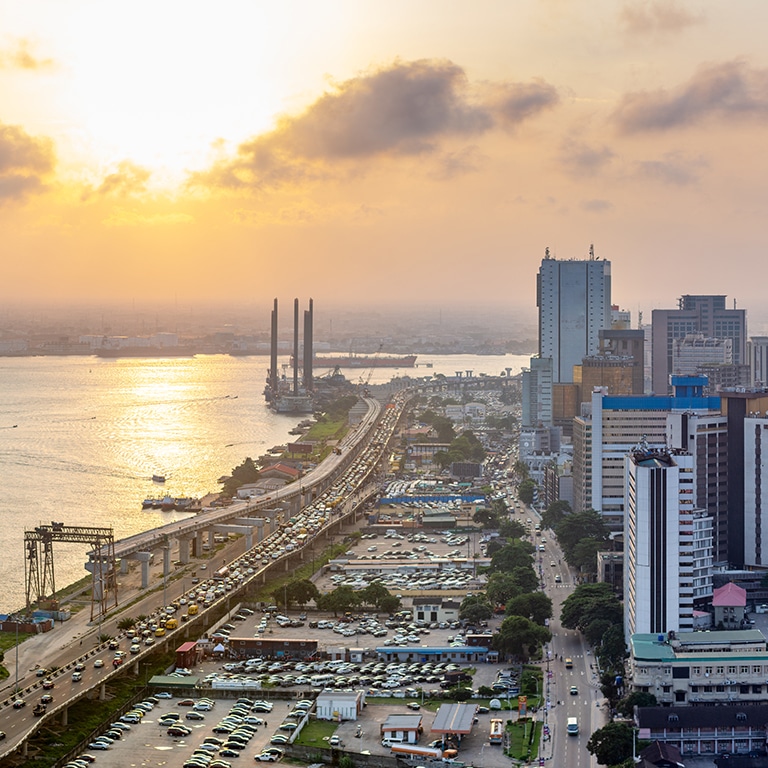
- Lagos: The bustling economic hub and largest city in Nigeria, known for its vibrant culture, booming entertainment industry, and bustling seaports.
- Abuja: Nigeria’s capital, a planned city with modern architecture and a key political and administrative center.
- Kano: A historic city in northern Nigeria, rich in tradition and a major centre for agriculture and commerce.
- Port Harcourt: A major oil city and key economic player located in the Niger Delta, vital to Nigeria’s petroleum industry.
Local Languages:
English: Official language
Hausa, Yoruba, Igbo: Widely spoken regional languages, reflecting Nigeria’s ethnic diversity
Local Currency:
Nigerian Naira (NGN)
Climate
Nigeria’s climate varies by region. The south has a tropical rainforest climate with high humidity and heavy rainfall, particularly during the rainy season from April to October. The north experiences a more arid climate, with hot temperatures and less rainfall. The dry season, from November to March, brings cooler winds from the Sahara, particularly in the northern regions. Temperatures in Nigeria typically range from 25°C to 35°C (77°F to 95°F), depending on the region and season, making it a country with a wide range of weather conditions.
Nigeria Visa Requirements
General Requirement:
All foreign visitors, including filmmakers, must obtain a visa to enter Nigeria. A visa-on-arrival option is available for short-term stays related to filming activities.
Required Documents:
- Passport photograph
- Flight itinerary
- Data page of international passport
- Address, phone number, and email address
- Additional documents (Covid-19 vaccination card or negative PCR test, yellow fever card, completed online pre-boarding health declaration)
Processing Time:
Visa processing can take between 3 to 5 business days, depending on the applicant’s country of origin and the type of visa requested.
Cost:
Visa fees vary depending on nationality and visa type, generally ranging from $160 to $200.
Note:
It is recommended to confirm specific requirements with the Nigerian embassy or consulate before applying, as documentation may change based on current health protocols or travel advisories.
International Crew Accreditation
Accreditation Requirements:
International film crew members, especially those handling specialized equipment like drones, must obtain proper accreditation to work in Nigeria.
Required Documents:
Equipment carnets
Custom service clearance fees
Supporting documentation detailing crew roles and equipment
Processing Time:
Accreditation processing usually takes 5 to 10 business days, depending on the nature of the equipment and the role of the crew member.
Cost:
Fees vary depending on the type of equipment and the duration of the project, typically ranging from $50 to $200 per crew member.
Note:
Accreditation is crucial to ensure compliance with Nigerian regulations. Working with a local fixer or production company is recommended to simplify the process.
General Film Permit
Issuing Organization:
Depending on the location, the general film permit is issued by either the Lagos State Film and Video Censor Board (for Lagos) or the Nigeria Film Corporation (for other regions).
Timings:
The application process typically takes 7 to 14 business days for approval, but it is advisable to apply well in advance.
Required Documents:
- Synopsis of the film/project
- Production schedule
- List of equipment
- Crew details
- Location details
Cost:
Permit fees vary based on location and project size but usually range from $100 to $500.
Private Locations
Location Scouting and Agreement:
Filming on private property requires direct negotiation with the property owner, including reaching an agreement on terms and conditions for the use of the location.
Cost:
Fees for private locations vary depending on the duration of use, the prominence of the location, and specific property owner requests.
Drone Permit
Drone Importation Regulations:
Currently, Nigeria does not allow international drone pilots to operate in the country without a local license.
Permit Issuance:
Only local, licensed drone operators can obtain drone permits in Nigeria.
Application Requirements:
International filmmakers must hire local drone pilots who can submit the required documentation, such as the drone’s specifications and flight details.
Timings:
The application for drone permits typically takes 7 to 10 business days for local pilots.
Cost:
Hiring a licensed local drone operator typically costs between $200 to $500 per day, depending on the project’s requirements.
Equipment Customs Clearance
Carnet Country Status:
Nigeria is not part of the ATA Carnet system, so filmmakers need to go through the standard customs clearance process for their equipment.
Customs Clearance Process:
All filming equipment brought into Nigeria must undergo customs clearance. This includes submission of a detailed equipment list and payment of applicable fees.
Required Documents:
- Equipment inventory
- Temporary import documentation
- Carnet (if applicable)
- Payment of custom service clearance fees
Clearance Issuance:
Customs clearance is issued upon submission of required documents and payment of any applicable duties or fees.
Timings:
The clearance process typically takes 5 to 7 business days.
Important Note:
It’s recommended to work with a local fixer to expedite the customs clearance process and avoid delays.
Costs:
Fees for customs clearance vary depending on the type and quantity of equipment but typically range between $100 to $500 per shipment.
Safety and Security
Security Requirements:
Safety varies across Nigeria, with major cities like Lagos and Abuja being relatively safer than northern or remote regions. It is advised that filmmakers hire local security personnel for shoots in high-risk areas or consult local authorities for safety guidelines. Working with a local production company experienced in navigating regional risks is highly recommended. Learn more about Nigeria.