Introduction
Hoodlum delivers exceptional local fixer services in Kyrgyzstan, offering vital in-country production support for international film and television crews. Backed by deep regional expertise and hands-on industry know-how, our team facilitates every stage of your shoot—from pinpointing striking locations and securing official permits to assembling trusted local crew and sourcing equipment—ensuring your production unfolds smoothly and without delay.
With its sweeping mountain ranges, remote steppe landscapes, vibrant markets, and authentic village life, Kyrgyzstan presents an extraordinary canvas for feature films, documentaries, TV series, commercials, and still photography. The country’s raw, unspoiled beauty and cultural depth provide filmmakers with fresh and distinctive visual opportunities.
Bringing your production to Kyrgyzstan? Trust Hoodlum’s seasoned local fixers to manage every logistic—from permissions and scouting to transport and post-production resources—while you concentrate on telling your story. Reach out to Hoodlum to discover how we can transform your Kyrgyzstan shoot into a streamlined and successful production.
Country Overview
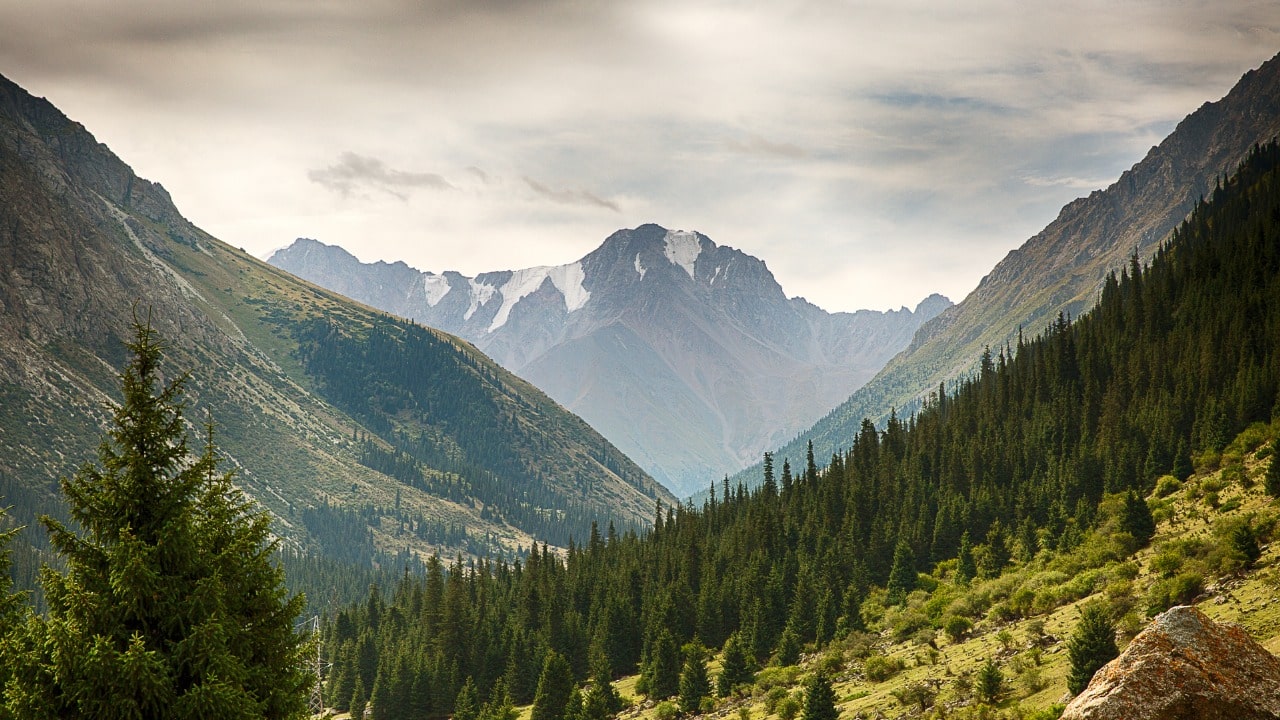
Kyrgyzstan, set along the historic Silk Road in Central Asia, is a land of striking contrasts where snow-capped peaks rise above sweeping grasslands and deep alpine lakes.
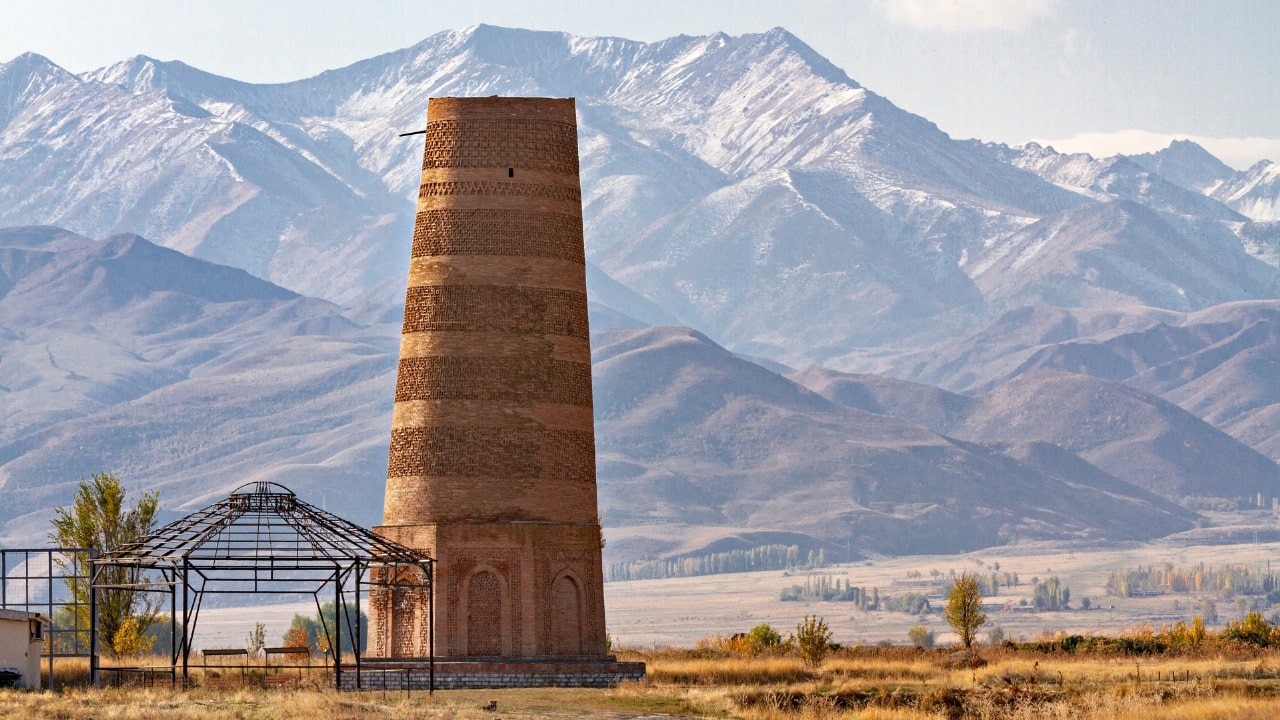
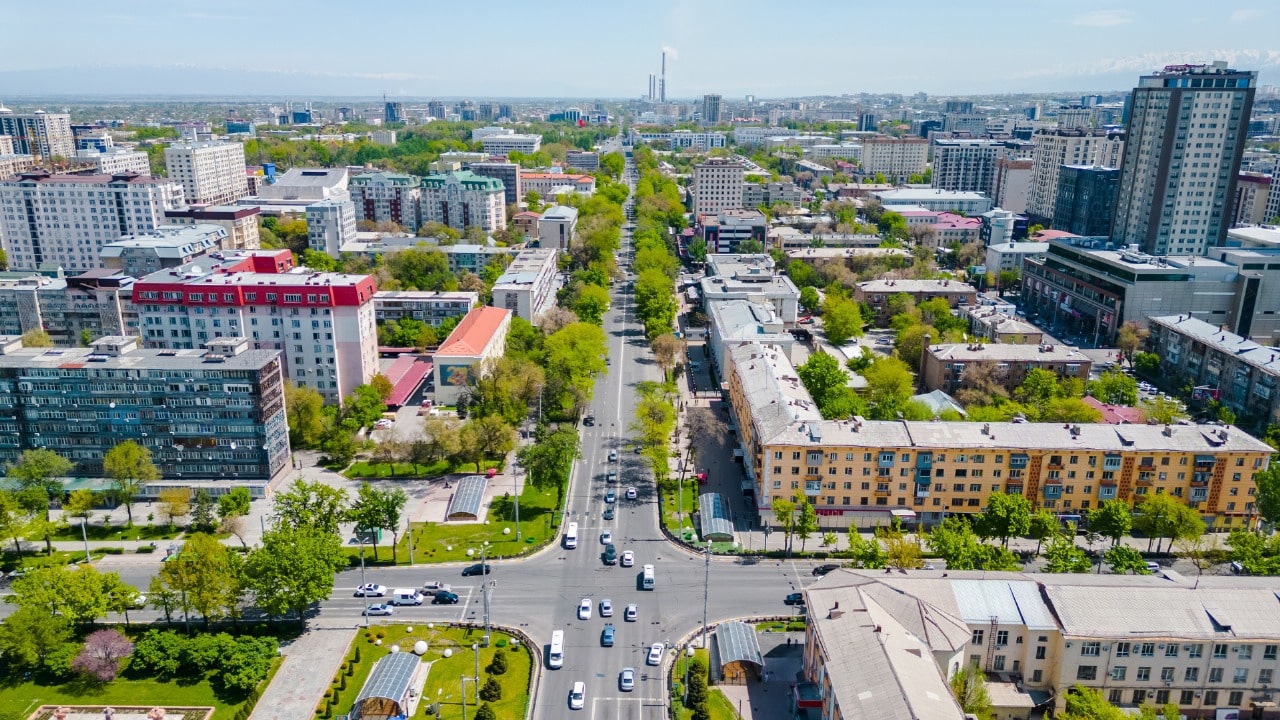
Among the most sought-after locations are the majestic Tien Shan Mountains, the surreal red rock formations of Skazka (Fairy Tale Canyon), and the vast, shimmering expanse of Issyk-Kul Lake—one of the world’s largest alpine lakes. Bishkek, the capital, provides a blend of Soviet-era architecture and modern cityscapes, while the stone caravanserai of Tash Rabat and the ancient towns of Osh and Naryn unveil the country’s deep historical roots.
With its welcoming communities, and political stability, Kyrgyzstan is perfectly suited for features, documentaries, TV series, and commercial shoots. From rugged mountain passes to remote steppe villages, the country’s dramatic and varied settings offer filmmakers an extraordinary visual palette rarely found elsewhere.
Kyrgyzstan’s Diverse Filming Locations:
- Mountain Landscapes – The towering Tien Shan and Pamir mountain ranges.
- Lakes & Water Scenes – The vast, sapphire-blue Issyk-Kul Lake and the serene Son-Kul Lake.
- Canyons & Rock Formations – Skazka (Fairy Tale) Canyon and Jeti-Ögüz’s ‘Seven Bulls’ cliffs.
- Historical & Cultural Sites – The ancient Silk Road caravanserai of Tash Rabat, the city of Osh with its sacred Sulaiman.
- Urban & Architectural Scenes – Bishkek’s blend of Soviet modernism, wide boulevards, and green parks.
Bordering Countries:
Kazakhstan to the north, Uzbekistan to the west, Tajikistan to the south, and China to the east.
Local Languages:
Kyrgyz, a Turkic language, and Russian is also widely spoken and has official status.
Local Currency:
Kyrgyzstani Som (KGS).
Best time to film:
The ideal filming period is from May to October, when weather conditions are dry, clear, and accessible for most locations, including mountains, lakes, and rural areas.
Spring and summer offer lush scenery and open high-altitude routes, while autumn brings rich golden landscapes. Winter (November to April) is cold with heavy snow, limiting access but suitable for productions.
Visa Requirements
General Entry Requirements
Most foreign visitors require a visa to enter Kyrgyzstan, which can be easily obtained online via the official e-visa portal. A valid passport, recent passport photo, and payment of the visa fee are required.
Required Documentation
- A passport valid for at least 6 months
- A recent passport photo
- Proof of visa fee payment
- Proof of accommodation or onward travel
E-Visa Application Portal
https://evisa.e-gov.kg/
International crew accreditation
General Accreditation Requirements
Foreign film crews are required to obtain accreditation through Kyrgyzstan’s State Agency for Cinematography. This process involves registering the production and securing the appropriate filming permits. Directors, producers, or key personnel may need to provide proof of relevant professional experience.
Required Documentation
- Film script and project summary
- Detailed shooting schedule and location list
- Full list of cast and crew
- Letter of guarantee or production insurance (if applicable)
Processing Time
Processing of film permits typically takes 1 to 3 months. Applying well in advance is strongly recommended.
Ministry of Culture, Information, Sports and Youth Policy
https://minkultur.gov.kg/
(For official oversight on film policy, permits, and cultural matters.)
Cost
Accreditation fees depend on the size, scope, and nature of the production. Exact costs should be verified with the State Agency for Cinematography at the time of application.
General Film Permit
Issuing Organisation
Film permits in Kyrgyzstan are generally issued by the State Agency for Cinematography, operating under the Ministry of Culture, Information, Sports and Youth Policy. Depending on the nature of the project, additional approvals from other local authorities may be required.
Processing Time
Permit processing typically takes 1 to 3 months. However, applying 3 to 6 months in advance is strongly advised to allow for any unforeseen delays.
Cost
Permit fees vary based on the production’s size, scope, and prior accreditations. Exact costs should be confirmed with the issuing authority during the application process.
State Agency for Cinematography (Kyrgyzstan)
http://www.kyrgyzcinema.com/
Private Locations
General Process
Our local Fixer plays a key role in securing permissions to film at private locations, such as homes, businesses, and estates. This involves negotiating with property owners, obtaining the necessary permits, and ensuring compliance with local regulations.
Cost
The cost of filming at a private location cannot be determined until the production schedule is provided.
Drone Permitting
Drone Regulations
Commercial drone use, including for film production, requires a permit.
Drone Importation Regulations
Importing drones into Kyrgyzstan is subject to customs regulations, which may include duties or taxes.
Issuing Authority
Drone permits are issued by the State Service of Aviation (Directorate of Aviation), though additional clearances may be required depending on the project’s scope and location.
Required Documentation for Local Drone Permit
- Commercial invoice
- Bill of lading
- Certificate of origin
- Special permits or licenses, depending on drone specifications and intended use
Processing Time
Drone import and operation permits take 5 to 15 working days to process. Applying 1 to 2 months in advance is recommended.
Cost
Permit costs are not fixed and may vary based on drone weight (particularly for units over 1 kg) and intended use.
Directorate of Civil Aviation – Kyrgyzstan
https://caa.gov.kg/
UAV Coach – Kyrgyzstan Drone Laws
https://uavcoach.com/drone-laws-in-kyrgyzstan/
(Simplified drone law summary for filmmakers.)
Equipment Customs Clearance
Carnet Status
Yes, Kyrgyzstan accepts the ATA Carnet, which allows for the temporary import of professional equipment without paying duties or taxes, under certain conditions.
Process for Carnet Holders
Productions using an ATA Carnet must present the document to customs officials upon both entry and exit. Proper stamping and documentation ensure smooth clearance and avoid extra charges.
Required Documentation for Equipment Customs Clearance
- ATA Carnet (if applicable)
- Commercial invoice
- Packing list
- Bill of lading or airway bill
- Additional permits or licenses (if necessary, depending on equipment type)
Issuing Authority
The State Customs Service of Kyrgyzstan oversees all import and export procedures.
Cost
Customs clearance fees can range from 5% to 20% of the declared value of the goods, with potential additional costs for customs brokerage, paperwork processing, and related services.
Film Rebates and TAX Incentives
15–20% rebate on eligible in-country production expenses for both international and local filmmakers, as part of its initiative to position itself as a key filming destination in Central Asia.
Safety and Security
Security requirements for filming may include hiring local security personnel, obtaining police permits, and potentially armed guards, especially for filming.