Introduction
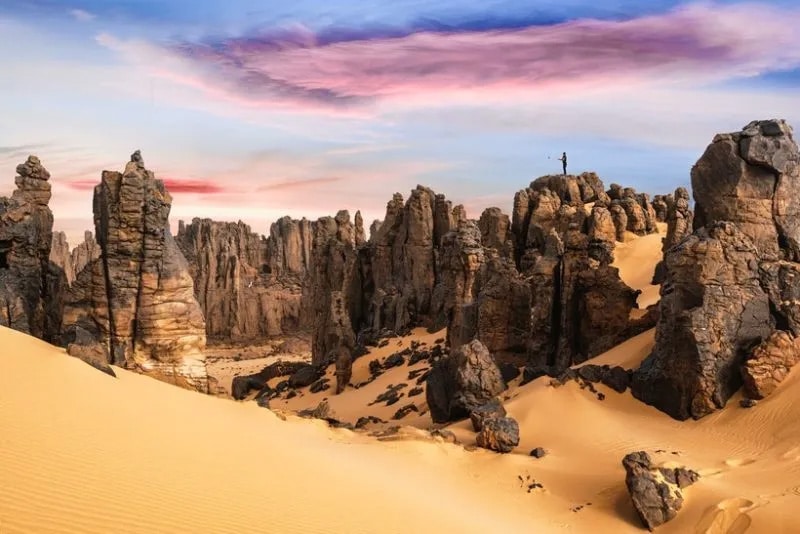
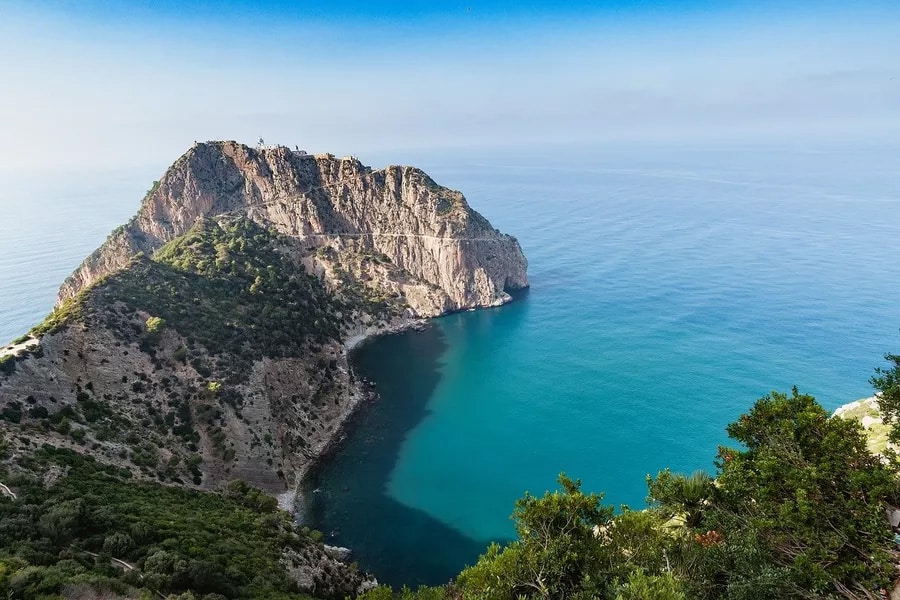
Algeria, with its diverse landscapes ranging from vast deserts to Mediterranean coastlines and historic cities, offers a wealth of unique locations for international film and TV productions. From the ancient Roman ruins of Timgad and Djemila to the stunning Sahara Desert and bustling streets of Algiers, Algeria provides exceptional backdrops for commercials, feature films, TV series, documentaries, reality shows, and still photography.
At Hoodlum, we offer expert film fixer services in Algeria, providing comprehensive production support for international crews. Our team handles every aspect of your shoot, including securing film permits, visa assistance, location scouting, crew sourcing, equipment rental, customs clearance, transportation, accommodation, and post-production services.
Why Film in Algeria?
- Diverse Landscapes: Algeria’s unique mix of desert, mountains, and coastal areas offers a variety of filming locations for different types of productions.
- Rich History and Culture: Algeria’s ancient ruins, historic cities, and vibrant culture provide exceptional storytelling opportunities.
- Cost-Effective Filming: Filming in Algeria is highly affordable, with competitive rates for locations, crew, and production services.
Planning a shoot in Algeria? Hoodlum ensures a smooth and efficient production process, managing all logistics so you can focus on your creative vision. Contact us today for expert production support in Algeria.
Country Overview
This is the largest country in Africa, with a rich history, stunning natural beauty, and a unique blend of Arab, Berber, and French influences. From the Mediterranean coastline to the Sahara Desert, Algeria’s varied terrain provides a wealth of filming opportunities.
Bordering Countries:
To the East: Tunisia & Libya/To the South: Niger, Mali & Mauritania/To the West: Morocco & Western Sahara
Main Cities:
Algiers (El Djazair)/Constantine/Oran/Annaba/Ghardaia/Tebessa/Batna/Biskra/Setif
Local Languages:
Arabic & Tamazicht
Local Currency:
Algerian Dinar
Climate:
The climate varies greatly depending on the region. The coastal areas experience hot temperatures during the summer and chilly and rainy conditions for several months during the winter. In contrast, the inland and mountain regions, located between the coast and the desert, have a cooler climate year-round, with temperatures often dropping below freezing for extended periods during the winter.
Visa Requirements
It is highly recommended that visas are applied for and approved before beginning the film permit application process. Visa applications can take longer than a month, so it’s essential to apply early to avoid delays in travel plans.
Required Documentation
Please refer to the following link for detailed information on required documents and application procedures: https://www.visahq.com/algeria/
Timings
Visa processing typically takes approximately 4 weeks.
Additional Requirements
While not mandatory, it’s recommended to have a vaccination certificate or PCR test for travel to Algeria.
International Crew Accreditation
Accreditation Requirements
Accreditation is mandatory for all international crew members working on a production in Algeria.
Required Documentation
To apply for accreditation, please provide the following:
- Passport for each crew member
- Synopsis of the project
- Location and duration of production
- List of equipment to be used
Timings
Allow approximately 4 weeks for the accreditation process to be completed.
Cost
The cost of accreditation is the same as visa fees. Please refer to the following link for up-to-date visa fee information: https://www.visahq.com/algeria/
General Film Permit in Algeria
Permit Issuance
The Algerian Consulate issues temporary press accreditation, which serves as a general film permit. In some cases, the Ministry of Culture may also be involved in the permit issuance process.
Timings
Please allow 4-8 weeks for the permit to be processed and issued.
Required Documentation
To apply for a general film permit, please provide the following:
- Synopsis or treatment of the project
- Crew members’ names and job descriptions
Cost
There is typically no cost associated with obtaining a general film permit, unless your project involves filming at a registered heritage site or other special locations, in which case additional fees may apply.
Drone Permit
Drone Regulations
Drones are strictly forbidden, with limited exceptions. Drone services may be permitted under certain conditions and in specific locations, but this requires a detailed full shot list. Even with this documentation, drone services cannot be guaranteed.
Drone Importation Regulations
Importing drones is strictly forbidden.
Permit Issuance
The Algerian Civil Aviation Authority (CAA) is responsible for issuing drone permits.
Required Documentation
To apply for a local drone permit, please provide the following:
- Full shoot schedule
- Detailed shoot list
- Hoodlum Algeria to advise
Timings
Permit issuance timelines are upon request, and may vary depending on the specific circumstances.
Costs
The cost of the permit is also upon request, and may depend on various factors.
Equipment Customs Clearance
Carnet Requirements
Algeria is a carnet country, requiring a Carnet ATA for the temporary importation of equipment.
Clearance Process
To facilitate customs clearance, it is recommended to hire a transit agent familiar with Algerian customs procedures. The agent will assist with the Carnet ATA process and ensure compliance with local regulations.
Required Documentation
The following documentation is required for equipment customs clearance:
- Carnet ATA
- Issuing Organization
Algerian customs is responsible for issuing the necessary clearance.
Timings
Please allow 4-8 weeks for customs clearance procedures.
Costs
Transit agent fees. A recoverable guarantee amount paid to customs, which will be refunded before the return flight.
Safety and Security
Algeria is generally considered a safe country, with low crime rates in urban areas. Security measures are typically not necessary in cities or urban locations. However, it is mandatory to have a local fixer on set at all times to ensure compliance with local regulations and facilitate smooth operations. Additionally, the state provides a local escort at no cost to productions, which can be beneficial for added security and support.
Type of Security Required
For filming in remote or high-risk areas, such as mountainous or desert regions, general security measures are highly recommended to ensure the safety of cast and crew. This may include hiring experienced security personnel or taking additional precautions to mitigate potential risks.