
What our local film fixers has to say about filming on location in Somalia
Located on the Horn of Africa, Somalia is a country of stunning natural beauty and cultural richness, offering a unique filming environment. From its rugged coastline to the ancient port cities and wild national parks, Somalia holds immense potential for filmmakers seeking to capture raw, unfiltered landscapes and untold stories. However, filming in Somalia requires careful planning and understanding of the local context. Here’s everything you need to know about filming in Somalia, including locations, permits, and the local support available for international productions.
If you are interested to film in this region, please visit our regions we fix in page for more information on Visa Applications, crew and equipment, drone permits and safety & security.
Film Locations in Somalia
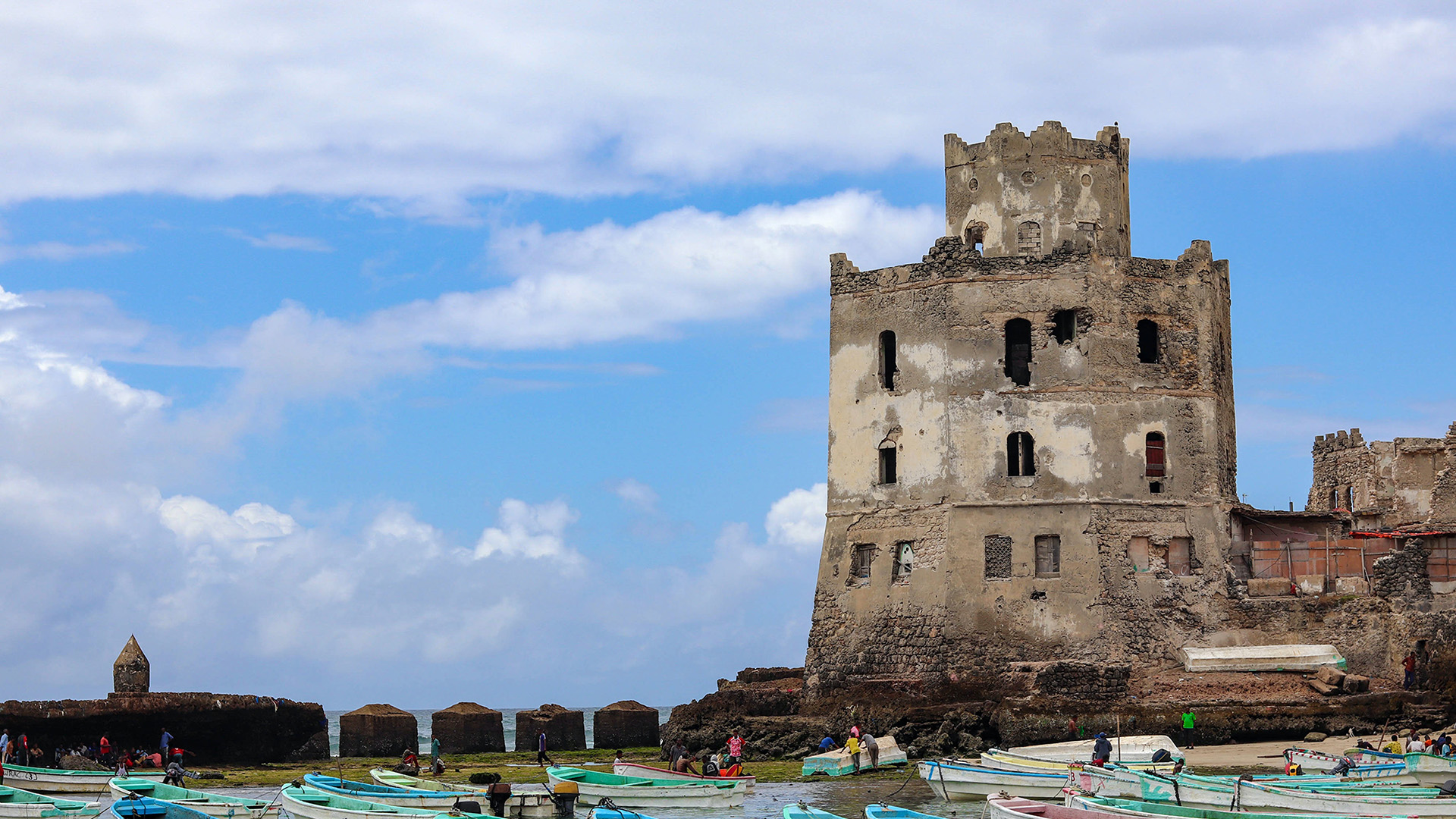
Somalia is known for its wild and rugged coastline, where undiscovered beaches, coral reefs, and high plateaus await. Its natural beauty is complemented by the diverse wildlife found in its national parks, where lions, zebras, monkeys, and wild boar roam freely. These locations offer filmmakers the chance to shoot in untapped environments that are not typically seen on the screen.
Key Film Locations:
- Mogadishu: The capital and largest city, offering a blend of modern and traditional settings, perfect for urban shoots.
- Merca: An ancient port city located in the southern part of the country, with a rich historical backdrop.
- Bosaso: A bustling port city in Puntland that adds a coastal flavor to your project.
- National Parks: The various parks in Somalia are home to diverse wildlife, providing an exciting opportunity for nature and wildlife documentaries.
Filming in Somalia offers a distinct contrast to many other locations, allowing you to showcase a side of Africa that remains relatively untouched by mainstream media.
When to Film in Somalia
Somalia’s climate is hot and dry, with uneven rainfall and regular droughts. The country experiences a northeast monsoon from December to February, making this period ideal for filming in the north where temperatures moderate. Conversely, the southwest monsoon, from May to October, can make conditions in the south extremely hot. The best time to film is from November to March, during the cooler months when the weather is most favorable for production.
However, it’s essential to note that the country’s infrastructure and safety concerns must be taken into account when planning your shoot.
Visas, Work Permits, and Filming Permits
Filming in Somalia requires international crews to obtain a Press Visa. This process can be complicated, so it’s highly recommended to engage a local fixer to handle all visa and work permit applications on your behalf.
Location permits for filming in Somalia are typically managed by local film fixers, who handle the negotiation and paperwork for filming in both privately owned and public spaces. Public location permits can often be arranged on the same day, depending on the location and nature of the shoot. Be aware that filming in certain restricted areas or near government installations may require special permissions, and it’s illegal to film military or government buildings without the proper clearance.
Local Crew, Equipment, and Talent
Somalia has a very limited pool of local crew talent, and as such, most international productions are advised to bring in Head of Departments (HODs) and key crew members from neighbouring African countries or abroad. Somali crew is available for some positions, but due to the small pool of experienced professionals, it’s best to have a highly skilled international team to support your production.
Film Equipment: Somalia does not have a developed local film equipment industry, so it is essential to bring in your own equipment from abroad. Local fixers can assist in coordinating the importation and clearance of equipment at customs. Please be aware that all electronic equipment, including cameras and laptops, must be declared upon arrival in Somalia, or they may be confiscated upon departure.
Talent: Somalia has a limited number of local actors and performers, so it’s recommended to bring in any additional talent from neighboring countries or abroad. Local talent is available, and their day rates and buyouts are negotiable based on the production’s needs.
Accommodation and Safety Considerations
For international film crews, it is crucial to secure safe and comfortable accommodations. The Peace Hotel and Jazeera Palace Hotel are recommended for their security and quality service. However, Somalia remains a high-risk area, so ensure that you consult with security experts and adhere to local guidelines to maintain the safety of your crew.
The roads in Somalia are in poor condition, and road travel can be unsafe, especially at night. It’s best to arrange transportation through local fixers who can provide reliable vehicles and drivers familiar with the area.
No Tax Incentives or Rebates
Currently, Somalia does not offer any film tax incentives or rebates for foreign productions. However, with the right local support, filmmakers can still find ways to keep production costs manageable while ensuring high production value. Local film fixers can help negotiate deals and ensure that all aspects of the shoot are properly supported, making the overall production process as smooth as possible.
Conclusion
Filming in Somalia presents unique opportunities to showcase unexplored locations and raw landscapes, but it also comes with logistical challenges. From obtaining visas and work permits to navigating the country’s limited infrastructure, planning your shoot in Somalia requires a reliable local fixer who understands the nuances of filming in the region.
If you’re considering filming in Somalia, reach out to us for trusted production support. Our local fixers are ready to assist with everything from location scouting and permits to crew arrangements and logistics, ensuring a smooth and successful shoot in this beautiful yet complex country.
Stay connected for industry insights, behind-the-scenes updates, and the latest news. Follow us on Instagram, LinkedIn, and Facebook to keep the conversation going.